







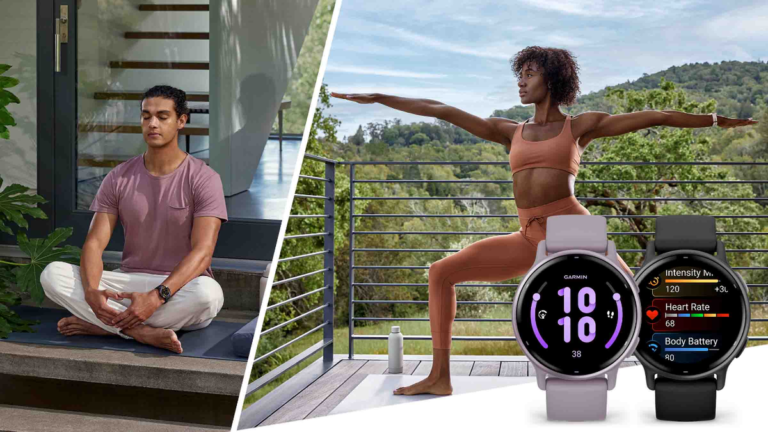
Garmin has released the Vivoactive 5, four years after the release of the Vivoactive 4, and it’s available for $299 in the US and £259.99 in the UK.
That price makes it significantly cheaper than the Garmin Venu 3 smartwatch ($449.99/£449.99) that was announced on August 30, even though the Vivoactive 5 shares many of the same new features. These include a sleep coach, nap tracking, morning report and enhanced activity tracking for wheelchair users.
The Vivoactive 5’s screen has had a makeover, going from memory-in-pixel to a brighter, sharper AMOLED screen. Despite using a more demanding type of screen, the battery life in smartwatch mode increases from eight days on the Vivoactive 4 to 11 days.

To us, the Vivoactive 5 looks like a great option for people who are into sports and working out—but don’t have a favorite activity, such as running, which is better catered to by the Forerunner and Enduro lines—or outdoor pursuits, served by the Instinct and Fenix ranges.
The Vivoactive 5 has useful additions for exercisers, such as feedback on how each workout benefits your body. From what we’ve seen so far, it looks like a more accessible repackaging of the Training Effect feature on sports watches. The Vivoactive 5 also adds an interval timer that you can set up to help you follow HIIT sessions.
Garmin is making much of its health features, with respiration and heart rate variability tracking (logging the tiny variations in timing between heartbeats) feeding into stress metrics, a body battery score to show your energy levels, and sleep tracking. It has also introduced guided meditation sessions on the watch.

The health features may well have been given prominence because the Vivoactive 5 is the same price as the Fitbit Sense 2, which is promoted as a health watch. The Sense 2 has two key bits of hardware that allow it to take an electrocardiogram (ECG) and continuously track electrodermal activity to inform its stress tracking.
Our Fitbit Sense 2 review, however, found that the device lacked in certain aspects, especially sports tracking and smartwatch features, areas where the Vivoactive 5 should come out on top. However, we’ll have to confirm that once we’ve been able to test it. One area Garmin has mastered is compatibility with music streaming apps such as Spotify and Amazon Music.
Adam Smith is an accomplished individual who serves as an chief contributor at Healthify Magazine, a leading publication dedicated to promoting health and wellness. With a passion for empowering individuals to live healthier lives, Adam brings a wealth of knowledge and expertise to his role.